The raw materials used in cosmetic formulations can be classified into several categories based on their specific functions and properties. Each cosmetic ingredient plays a unique role in achieving the desired effects.

Here is an overview of the main categories of cosmetic ingredients and their functionalities:
Active Ingredients

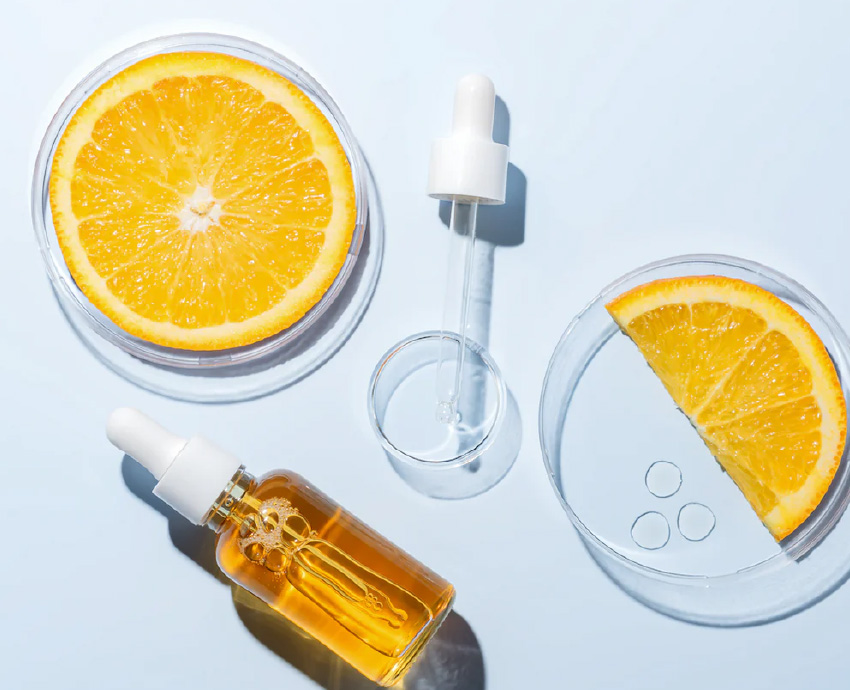
An active ingredient in cosmetics is a specific component added to a cosmetic product to provide a particular benefit to the skin, hair, or nails. These active agents are formulated to address specific concerns such as hydration, anti-aging, oil control, firming, and breakage prevention, among others.

These active agents are often combined with other ingredients in cosmetic formulations to maximize their effectiveness and provide a comprehensive solution to the skin’s needs.

Preservatives & Antioxidants

Preservatives help prevent microbial contamination. Antioxidants protect the product from oxidation.
Les antioxydants protègent le produit de l’oxydation.

Colorants, Opacifiers, and Pigments

Colorants and opacifiers modify the appearance of the finished cosmetic product.
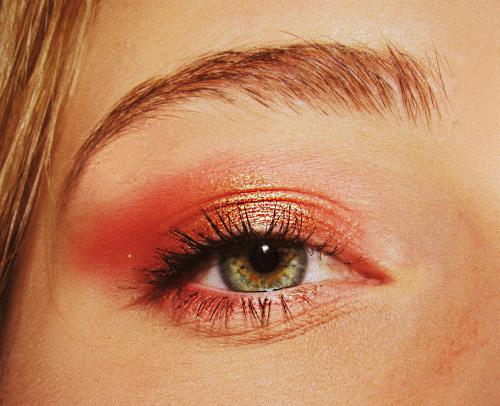
Pigments form the basis of color cosmetics and are essential elements in makeup formulations.

UV Filters

Whether organic or mineral, UV filters protect the skin and hair from UV radiation.

Surfactants

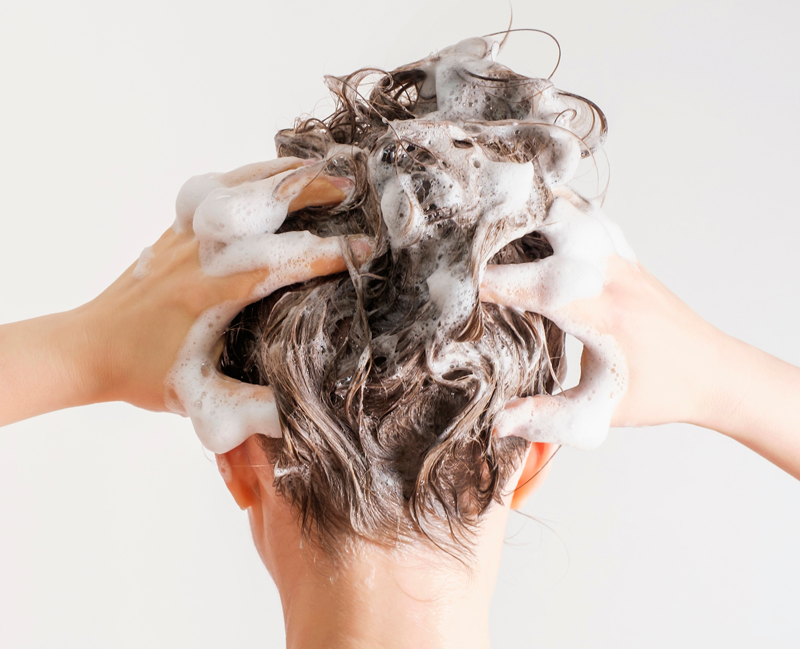
Surfactants: They cleanse the skin and hair and contribute to foaming properties.

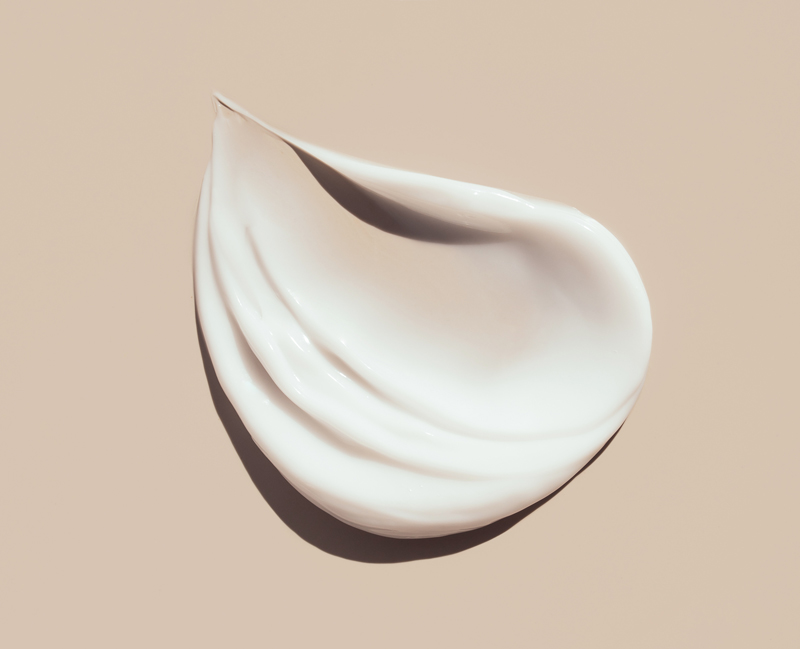
Emulsifiers: They are used to stabilize emulsions to create homogeneous creams, milks, lotions, serums, etc. They can also be incorporated into emulsions to disperse solid ingredients.

Texture Agents

Gelling Agents: They stabilize formulations.

Thickeners: They improve the consistency and feel of the product on the skin.

Oily Phase Ingredients: Vegetable and mineral oils, butters.

Emollients: Commonly used in cosmetic emulsions, emollients enhance softness and shine when added to conditioners and hair treatments. They also enable smoother application and better adherence for foundations and lipsticks.

Fatty Alcohols: They help thicken formulations and hydrate the skin.

Conditioning Agents

They enhance softness and shine for hair.

Film-Forming Agents

They improve the longevity and hold of products on the skin, hair, and nails, etc.

Exfoliants

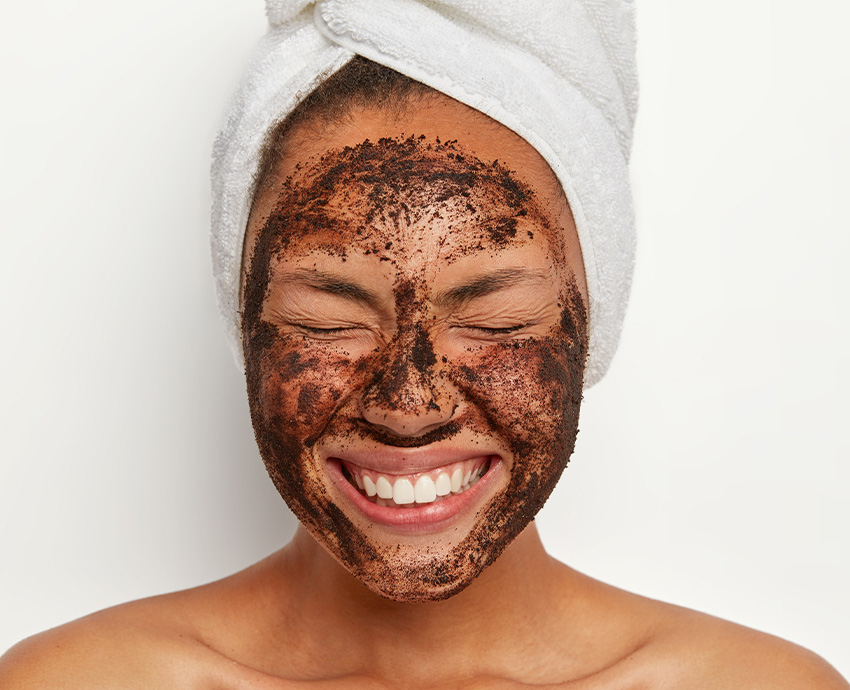
A cosmetic exfoliant is a product that removes dead skin cells to make the skin smoother and fresher. There are two main types:

  1. Mechanical Exfoliants: Use particles to physically scrub the skin.
  2. Chemical Exfoliants: Use acids or enzymes to dissolve dead skin cells.

Exfoliation improves skin texture and promotes cell renewal.

Fragrance Ingredients

Fragrance ingredients enhance the sensory appeal of cosmetic products during use. This type of ingredient is managed by PRODAROM.

Each cosmetic ingredient plays a crucial role in formulation, and their combination determines the effectiveness and sensory characteristics of the final product.

Want to learn more about ingredient origins?

Click here