produit cosmétique origine

Ingredients at the Heart of Cosmetic Products

A cosmetic product is a blend of ingredients carefully selected by the manufacturer to create a formulation that meets consumer expectations, regulatory requirements, and economic constraints. To achieve these three goals, the choice of cosmetic ingredients is crucial, and an important criterion is the origin of these ingredients.
The Origin of Cosmetic Ingredients

Cosmetic ingredients come from a variety of sources, each offering unique properties that contribute to the effectiveness and quality of the cosmetic products in which they are used. Here is an overview of the main origins of these ingredients:

Plant-Based Origin

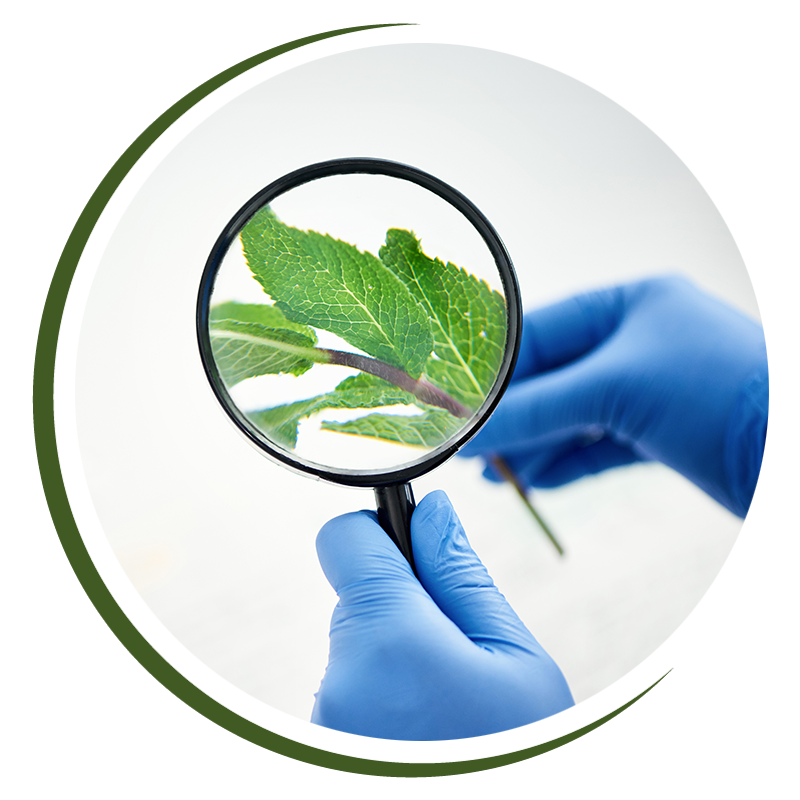
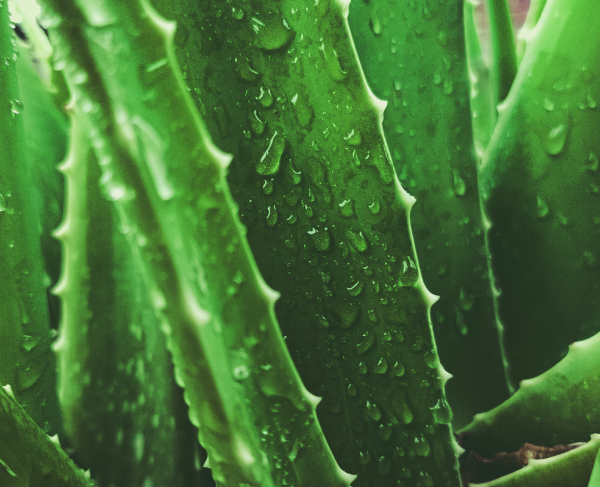
Many cosmetic ingredients are derived from plants, vegetables, algae, and fungi. These ingredients are used across all types of cosmetic products.

Mineral Origin

Pigments are used in cosmetics for their coloring properties. Minerals are also utilized in UV filters for their ability to protect the skin from ultraviolet rays. Certain mineral salts have specific beneficial effects on the skin.

Biotechnological Origin

Biotechnology enables the production of ingredients either by modifying natural substances through enzymatic bioconversion or by synthesizing them via fermentation using selected microorganisms, which may also be genetically modified.

Animal Origin

Some ingredients of animal origin are present in cosmetic products.

Semi- SyntheticOrigin

Semi-synthetic cosmetic ingredients are partially produced through chemical synthesis but derived from natural sources. They are modified to enhance their properties and compatibility with the skin. These ingredients are commonly used for their specific benefits.

Synthetic Origin

Synthetic compounds are used as cosmetic ingredients to provide specific functionalities in cosmetic products. For example: Polymers like polyacrylates create stable and pleasant textures. Synthetic preservatives extend the shelf life of products by preventing the growth of bacteria and mold.

The Supply Chain of Cosmetic Ingredients

From Raw Material to Cosmetic Ingredient

The supply chain for cosmetic ingredients begins with the sourcing of raw materials. These materials are then transformed into cosmetic ingredients through meticulous and rigorously controlled manufacturing processes. These processes adhere to Good Manufacturing Practices (GMP) developed by the European Federation for Cosmetic Ingredients (EFfCI), which are specific to the cosmetic industry.

Matières pNatural Raw Materials naturelles

Natural raw materials—such as plants, algae, fungi, minerals, microorganisms, and animal derivatives—are cultivated or harvested worldwide. They can be used as cosmetic ingredients in their natural state or processed and transformed to obtain specific cosmetic ingredients.

Matières pFood-Grade Raw Materials

Some ingredients, like vegetable oils used in the food industry, are occasionally used as cosmetic ingredients or further processed for cosmetic applications.

Matières pChemical Raw Materials

Synthetic raw materials are produced by the chemical industry. Their manufacturing must comply with the specific requirements and standards of the cosmetic industry.

Traceability of Cosmetic Ingredients

Manufacturers and distributors of cosmetic ingredients have full knowledge of the origin of the raw materials they use. Beyond this knowledge, compliance with environmental, social, and ethical standards throughout the supply chain is essential. The certification of this traceability is sometimes ensured by specialized organizations (such as RSPO, COSMOS, UEBT, etc.).

Additionally, international regulations—such as the Convention on Biological Diversity and the Nagoya Protocol—govern the use of genetic resources (plants, animals, microorganisms, and Digital Sequence Information). These regulations establish access and benefit-sharing agreements based on the countries where these resources are sourced.
For more information, visit our Recommendations Development page.

"This entire part of the value chain of a cosmetic product is handled by the cosmetic ingredients industry.”

Transformation into Cosmetic Products

The following steps, which lead to the cosmetic product offered to consumers, are carried out by the cosmetics industry, often known through their brands. They include:

MARKETING

Marketing identifies the characteristics sought for new products to be introduced on the market, and then defines the most suitable communication strategy.

FORMULATION

The combination of ingredients into complex formulations to achieve the objectives defined by marketing, the sourcing of cosmetic ingredients from suppliers, followed by the necessary tests and verifications on the chosen formula.

MANUFACTURING

Finally, the industrial manufacturing of the formulation; this may be carried out using the brand’s own production facilities or outsourced to specialized companies.

The Role of INGRECOS

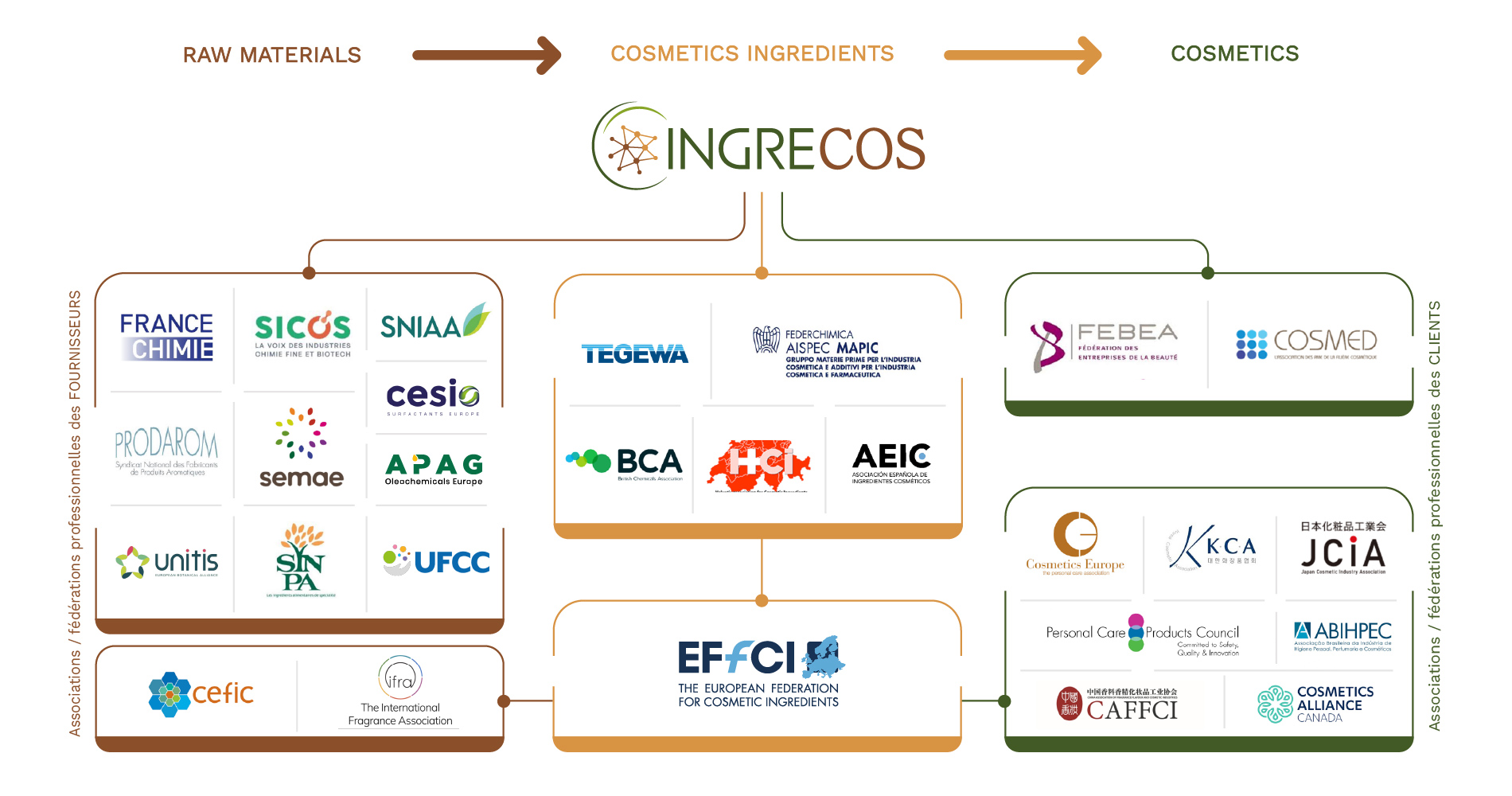
INGRECOS plays a crucial role in this value chain by informing its members about regulatory developments and existing standards. We work closely with raw material suppliers and finished product manufacturers through the sector’s professional organizations to ensure that ingredients meet the highest safety standards.

Want to learn more about fonctionality of cosmetics ingredients?

Click here